
A single large health system can spend more than $100 million a year on premium overtime and agency labor when it has no way to forecast demand or automate the response.
Vitalize, an AI platform for hospital staffing and capacity, has raised a $31 million Series A. Oak HC/FT led the round. Norwest Ventures, .406 Ventures, Constellation Ventures, Y Combinator and MemorialCare Innovation Fund also took part.
Vitalize raises $31M for hospital staffing and capacity. An AI platform for staffing and capacity has raised a Series A.
The cost of not forecasting demand. Without a way to forecast demand or automate the response, a large health system can spend over $100 million a year on premium overtime and agency labor.
Scheduling ran on spreadsheets. Shah says unit managers spend two to four hours a day working out who will work tomorrow and six weeks from now.
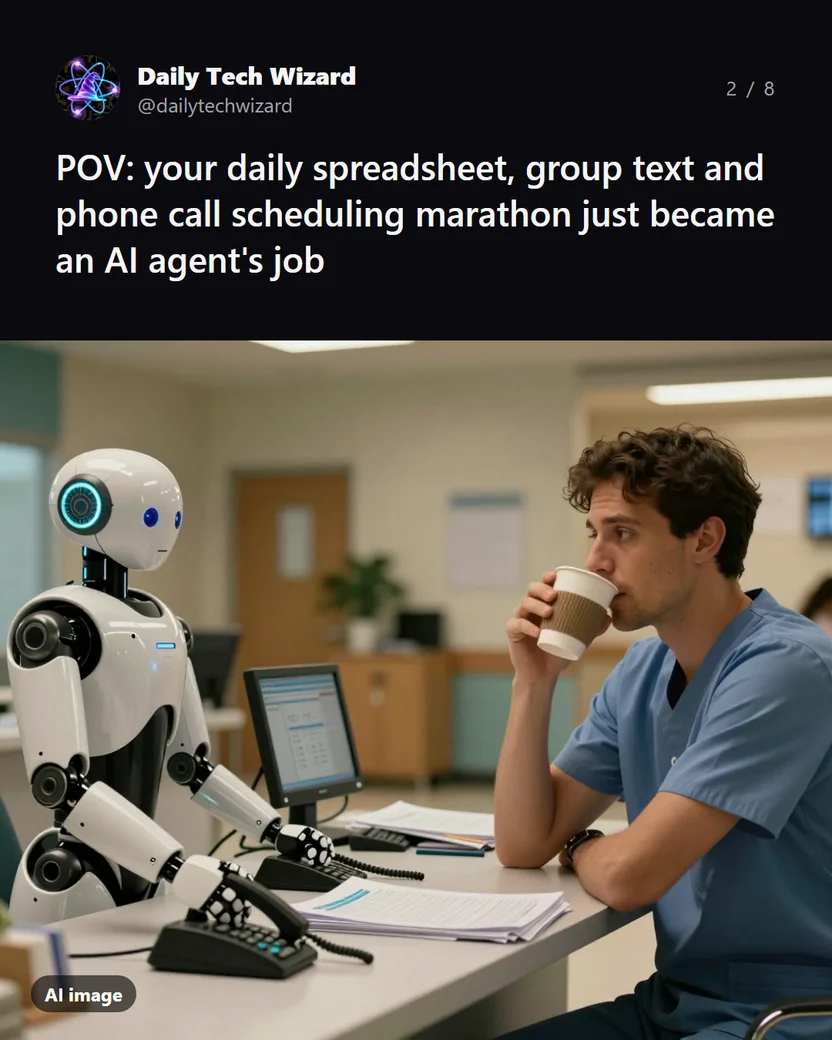
AI agents do the outreach. The agents reach out to staff, update time-attendance and payroll systems, contact clinical managers and update schedules.
Staffing data guides patient moves. That data feeds recommendations on where to move patients, such as 15 boarding in the ER and which units can take them.
Over 15 health systems have signed. They're on enterprise-wide, multi-year contracts, including MemorialCare, LifeBridge Health, Allina Health and Northwestern Medicine.
CEO Veeraj Shah saw the problem as a medical school student and while working inside health system staffing offices, command centers and clinical units. Nurses and managers there spent hours each day on schedules using spreadsheets, group texts and phone calls. He says unit managers spend two to four hours a day working out who will work tomorrow and six weeks from now. Labor accounts for 50% to 60% of hospital operating costs.
Vitalize says its software uses machine learning, optimization models and AI agents. The agents reach out to staff, update time-attendance and payroll systems, and reach out to clinical managers and update schedules. That data then feeds recommendations on where to move patients. Shah's example is 15 patients boarding in the emergency room, with advice on which units have the staffing to take them and get them discharged faster.
Vitalize started as a healthcare worker wellness app.
Would you trust software to decide who works tomorrow's shift?